Big Title
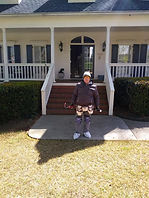
MASTER HOME INSPECTOR

LUPA HOME & COMMERCIAL INSPECTION SERVICES
We Deliver More Value Than a Standard Inspection
At Lupa Home & Commercial Inspection Services, we go beyond the typical inspection.
🚁 WOW Factor for Your Clients — Complimentary Drone Footage
Every inspection includes FREE drone footage to showcase the property and help identify hard-to-see areas, including roof conditions and other exterior components.
📝 Ready-to-Use Repair Amendment Included
Our inspection reports include a professionally prepared repair amendment template to help save you time, simplify negotiations, and keep the process moving efficiently.
🤖 Robotic Inspection Technology
To improve inspection efficiency in challenging or hard-to-access areas, we utilize robotic inspection technology when appropriate.
🏠 Detailed 150-Point Home Inspections
Our comprehensive inspections evaluate the major systems and components of the property, providing clients with a detailed understanding of the home's condition.
🔧 Post-Inspection Repair Verification Support
Seller completed repairs? Simply send me the repair invoices, and I’ll handle the rest. I will verify that the repairs were completed properly and meet quality expectations, giving your clients added confidence before closing.
Our goal is simple: provide agents and their clients with more information, faster solutions, and a smoother path to closing.

404.441.3264


-
Lead Base Paint Test and Radon Test available

HOME
.jpeg)


STRUCTURAL
A residential structural inspection is a thorough evaluation of the visible structural components of a home, including the foundation, framing, and roof structure. During the inspection, we assess these load-bearing elements for signs of damage, deterioration, movement, or other conditions that may affect the safety and integrity of the property. Any observed concerns will be documented, and recommendations for further evaluation or repairs will be provided when necessary.
EXTERIOR
The exterior inspection includes an evaluation of the visible and readily accessible components of the property, including siding, exterior trims, windows, doors, garage areas, retaining walls, and general exterior conditions. The inspection focuses on identifying visible defects, signs of deterioration, safety concerns, and areas that may require maintenance, repair, or further evaluation by qualified professional
ROOF
A roof inspection is a detailed examination and evaluation of a roof’s overall condition performed by a qualified professional. During the inspection, the roof inspector assesses visible components, identifies areas of concern, and documents any deficiencies, damage, or maintenance needs. After completing the inspection, a comprehensive report is provided outlining the roof’s current condition, including minor and major issues that may require attention, repair, or further evaluation.

Our Services
INTERIOR
An interior inspection, also referred to as an internal inspection, is an evaluation of the accessible interior areas of the property. The purpose of this inspection is to identify visible defects, safety concerns, and conditions that may require further evaluation, testing, repair, or maintenance. The inspection includes a review of accessible interior components, finishes, and systems to help determine the overall condition of the property.
HVAC
HVAC Performance Test Procedure:
An HVAC performance test is a comprehensive evaluation of an HVAC system’s operational performance to determine whether it is functioning efficiently and effectively. The procedure includes measuring key performance indicators such as temperature differential (supply and return air temperatures), airflow volume, static pressure, refrigerant performance (when applicable), electrical operation, and overall system response.
The purpose of the test is to verify that the system is operating within manufacturer specifications, identify potential performance issues, improve energy efficiency, and help and help ensure proper comfort levels throughout the property. Any deficiencies identified during testing may require further evaluation and correction by a licensed HVAC professional.
ELECTRICAL
Electrical Inspection Scope
An electrical inspection evaluates the visible and accessible components of the home’s electrical system to identify safety concerns, defects, and conditions that may require repair, maintenance, or further evaluation by a licensed electrician. The inspection includes a review of the following components:
-
Electrical panel and service equipment
-
Electrical outlets and receptacles
-
Lighting fixtures and switches
-
Visible wiring conditions and potential wiring hazards
-
Permanently installed appliances and electrical connections
-
Smoke and carbon monoxide (CO) detectors
-
GFCI outlet testing and protection verification
-
Electric meter and service entry components
The inspection is performed on accessible areas only and does not include concealed wiring, underground components, or conditions that cannot be observed without invasive procedures. Any identified electrical safety concerns will be documented with recommendations for appropriate corrective action or further evaluation.
PLUMBING
The plumbing inspection evaluates the visible and accessible components of the property’s plumbing system to identify leaks, defects, safety concerns, and conditions that may require repair, maintenance, or further evaluation. The inspection includes a review of the following components:e plumbing inspection evaluates the visible and accessible components of the property’s plumbing system to identify leaks, defects, safety concerns, and conditions that may require repair, maintenance, or further evaluation. The inspection includes a review of the following components:
-
Faucets and fixtures
-
Toilets and supply connections
-
Showers and shower valves
-
Bathtubs and surrounding areas
-
Garbage disposal operation
-
Water heater condition and visible components
-
Dishwasher connections and operation
-
Water pressure testing
-
Visible plumbing leaks and signs of moisture
The inspection is limited to readily accessible and visible components. Concealed plumbing lines, underground piping, and conditions behind walls, ceilings, or fixtures are not evaluated unless specifically noted. Any deficiencies identified will be documented with recommendations for repair or further evaluation by a qualified plumbing professional when necessary.
GARAGE
KITCHEN
INTERIOR
FOUNDATION
EXTERIOR
ATTIC
LAUNDRY
GROUNDS
Heading 2
FIRE PLACE
DECKS


ROOF Inspection:
We use drones during all of our inspections to safely evaluate roof areas that may be difficult or unsafe to access. Drone technology allows us to identify conditions such as damaged or defective shingles, signs of leaks, improper repairs, and the overall condition of the roof with greater accuracy.
All of our inspectors are FAA-certified remote drone pilots and operate in compliance with applicable federal regulations.


ADDITIONAL SERVICES:
RADON TEST
MOLD TEST
Heading 1
LEAD BASE PAINT TEST
COMMERCIAL INSPECTIONS

A commercial inspection is a thorough assessment of a commercial property's condition, focusing on structural integrity, mechanical systems, safety features, and overall functionality. It's a comprehensive evaluation beyond the scope of a typical residential inspection, tailored to the specific needs of commercial buildings like offices, retail spaces, industrial facilities, and multifamily dwellings.
-
Assessment of Major Systems:
Inspectors evaluate the condition and projected lifespan of HVAC, plumbing, roofing, structure, and electrical systems.
-
Safety Features:
This includes examining fire safety systems, alarms, and other safety measures to ensure compliance with regulations and protect occupants.
-
Building Components:
Inspections cover various aspects like electrical wiring, plumbing fixtures, roofing materials, and structural elements.
-
Code Compliance:
Inspectors ensure the property meets relevant building codes and regulations.
-
Potential Issues:
A key goal is to identify any existing or potential problems that could affect the property's value, safety, or operational efficiency.